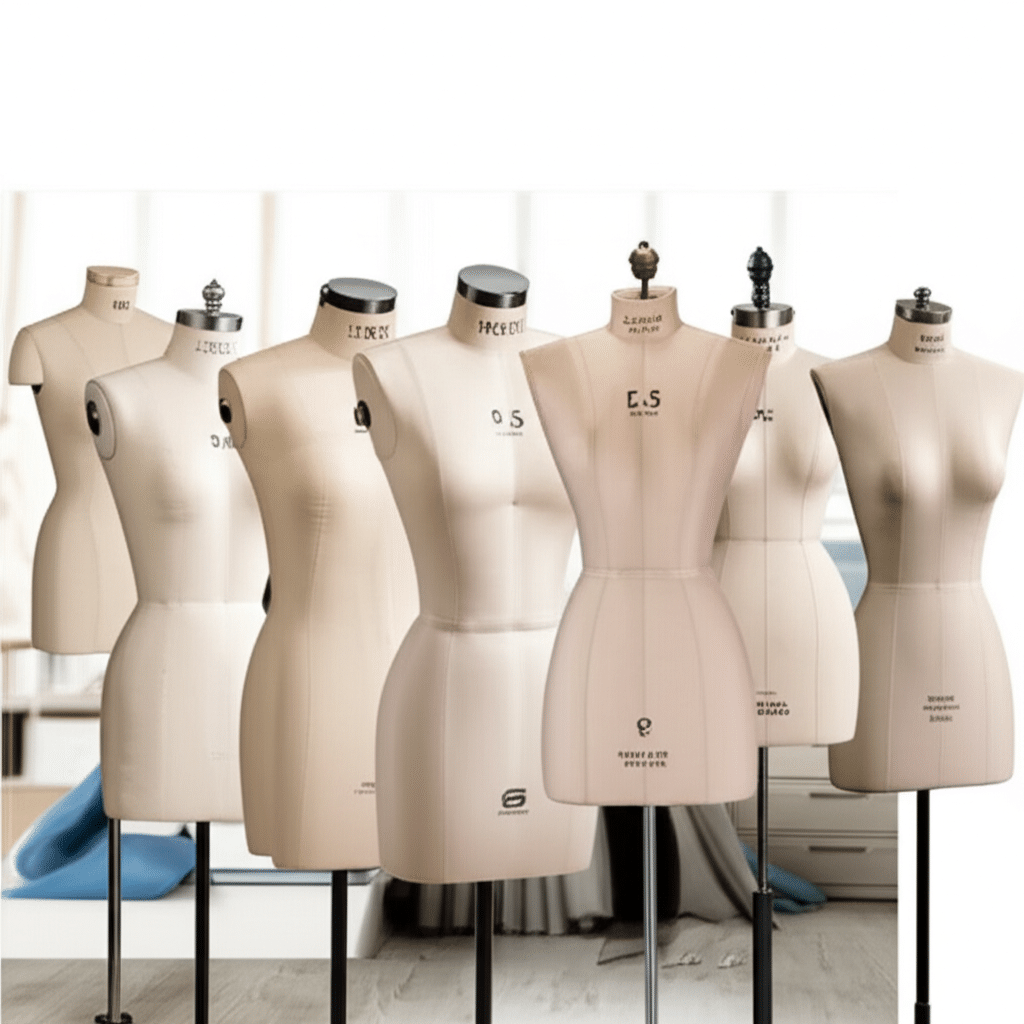
A good dress form is an important tool for fashion designers, tailors, sewing professionals, garment manufacturers and anyone working with clothing construction. The right form can make it easier to develop patterns, adjust garments and evaluate how clothing fits and drapes.
If you are looking for dress forms for sale, it is important to consider more than appearance and price. The size, shape, construction, surface, adjustment options and intended use should all match your work.
Guangzhou Sunrise Mannequin is a factory-direct mannequin manufacturer in China, offering dress forms and other mannequin products for international customers.
What Is a Dress Form?
A dress form is a three-dimensional representation of the human body used mainly for garment development and clothing construction. Unlike a traditional retail mannequin, which is primarily designed to display finished clothing, a dress form is generally used as a working tool.
Dress forms can be useful for:
- Garment draping
- Pattern development
- Fitting and alterations
- Sewing and tailoring
- Sample making
- Garment production
- Clothing display
For professional users, choosing a dress form that matches the intended garment size and working method can make the design and fitting process more efficient.
Dress Form vs. Mannequin: What Is the Difference?
The terms dress form and mannequin are sometimes used interchangeably, but they are generally designed for different purposes.
A retail mannequin is primarily intended to present finished clothing in stores, boutiques and window displays. It may have a realistic, abstract or headless appearance and is usually designed to look attractive as part of a visual merchandising display.
A dress form is generally designed as a working tool for clothing construction. Its shape and surface allow the user to place, adjust and evaluate garments during the development process.
Some dress forms can also be used for retail or studio display, depending on their design.
Who Uses Professional Dress Forms?
Fashion Designers
Fashion designers can use dress forms to develop silhouettes, test fabrics and evaluate how garments sit on the body before producing a finished sample.
Tailors and Sewing Professionals
For tailoring and sewing work, a dress form can make fitting and alterations more convenient. Garments can be positioned directly on the form while adjustments are made.
Garment Manufacturers
Garment manufacturers and sampling departments may use dress forms during sample development, fitting and quality control. Consistent body proportions can help teams compare garments during the development process.
Fashion Students and Sewing Enthusiasts
Dress forms can also be useful for fashion students, sewing learners and home sewing enthusiasts who want to practice draping, fitting and garment construction.
How to Choose the Right Dress Form
Before purchasing a dress form, consider how it will be used and what types of garments you normally work with.
1. Choose the Correct Size
Size is one of the most important factors when selecting a dress form. The bust, waist and hip measurements should be appropriate for the garments you are designing or fitting.
If you work with several clothing sizes, you may need more than one dress form or a form with suitable adjustment options.
2. Consider the Type of Clothing
Different garments may require different types of dress forms. Dresses, tops, jackets, trousers and other garments can have different fitting requirements.
Consider the type of clothing you produce most often before choosing a particular form.
3. Look at the Surface
If you intend to pin fabric directly onto the form, the surface construction is important. A suitable surface can make draping, fitting and adjustments easier.
For professional sewing and garment development, consider whether the form is appropriate for the type of work you intend to perform.
4. Consider the Form Design
Different dress forms may have different body proportions and structural features. Some are designed primarily for sewing and garment development, while others can also be used for display purposes.
Choose a form based on the actual requirements of your work rather than selecting one based only on appearance.
5. Check the Base and Support
The support structure and base are also important, particularly when the dress form will be used regularly. A stable base can make the form easier to work with during fitting and draping.
Dress Forms for Sewing and Garment Development
For sewing and garment development, a dress form can provide a practical three-dimensional working surface. Designers and tailors can position garments on the form and make adjustments while viewing the overall silhouette.
This can be particularly useful when working with garments where fit and drape are important considerations.
If you are looking for a dress form specifically for sewing or garment work, you can also explore our dress form with wooden arm.
Dress Forms for Retail and Display
Although dress forms are primarily associated with garment construction, some styles can also be used for fashion presentation and retail display.
Dress forms can provide a more studio-oriented appearance compared with a traditional full-body mannequin and can work well for boutiques, fashion studios, tailor shops and other clothing-related businesses.
For a broader selection of retail display products, see our mannequin collection.
Why Buy Dress Forms Directly From a Manufacturer?
When purchasing dress forms in larger quantities, working directly with a manufacturer can provide a more direct way to discuss product requirements, quantities and customization options.
A factory-direct supplier can also help customers compare available models according to their intended use instead of selecting products only from a general retail catalogue.
For wholesalers, distributors, garment manufacturers and commercial customers, direct communication with the manufacturer can be particularly useful when the project requires multiple models or larger quantities.
Wholesale Dress Forms for Fashion and Garment Businesses
Wholesale customers may require dress forms for different purposes, including garment production, fashion education, tailoring, retail display or resale.
When ordering wholesale, consider the following factors:
- Required sizes
- Quantity per model
- Intended application
- Surface and construction
- Base and support requirements
- Packaging requirements
- Shipping destination
Providing these details to the supplier can make it easier to identify suitable products for your project.
Dress Form Manufacturer in China
Guangzhou Sunrise Mannequin is a factory-direct mannequin manufacturer in China with 26 years of mannequin production and export experience.
Our product range includes mannequins and dress forms for different fashion and retail applications. We work with international wholesalers, distributors, retailers, garment-related businesses and other commercial customers.
If you already have a specific dress form in mind, you can send us reference photographs or product requirements. Our team can review the requirements and recommend suitable options from our existing range.
Frequently Asked Questions About Dress Forms
What is a dress form used for?
A dress form is commonly used for garment draping, pattern development, fitting, alterations, sewing and sample making. Some styles can also be used for clothing display.
What is the difference between a dress form and a mannequin?
A dress form is generally designed as a working tool for garment construction, while a mannequin is primarily designed to display finished clothing in retail environments.
Can dress forms be used for sewing?
Yes. Dress forms are commonly used by fashion designers, tailors and sewing professionals for fitting, draping and garment development.
Can I buy dress forms wholesale?
Yes. Wholesale customers can contact Sunrise Mannequin with their required models, quantities and destination to discuss available options.
Can you supply custom dress forms?
Custom requirements can be discussed depending on the design and production requirements. Customers can provide reference photographs, drawings or other product information for evaluation.
Find the Right Dress Form for Your Project
The right dress form depends on how you plan to use it. Fashion designers, tailors, garment manufacturers and sewing professionals may have different requirements for size, shape, surface and construction.
Before placing an order, consider the garments you work with, the sizes you need and whether the form will be used for sewing, garment development, display or other applications.
If you are looking for dress forms for sale from a factory-direct manufacturer, contact Sunrise Mannequin with your requirements and we can help you identify suitable options.